
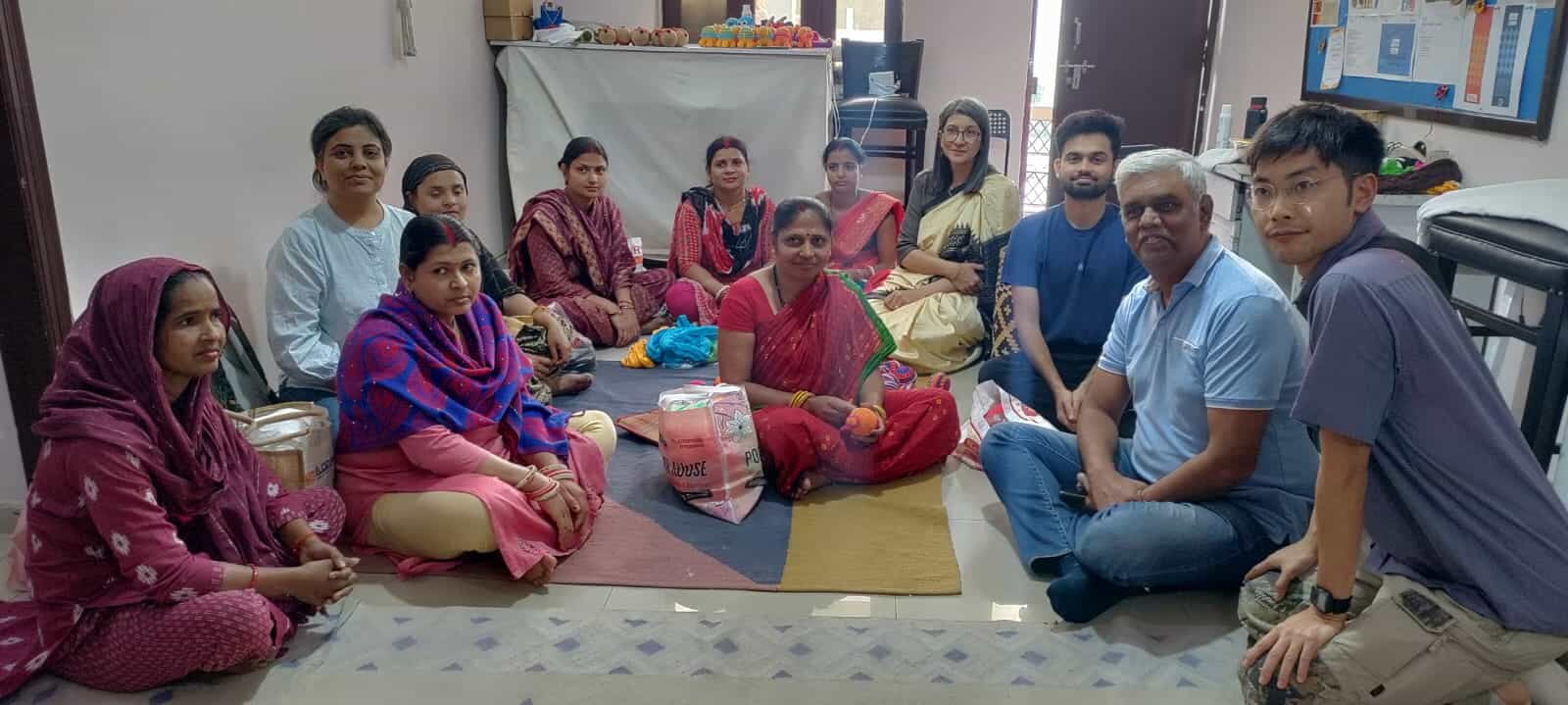
Have you ever held a handmade product and wondered about the person who made it?
The hands behind it. The hours spent creating it. The skill that took years to learn.
For many artisans in India, craft is not just work—it is identity. It carries family traditions, local stories, and knowledge passed through generations.
Yet behind that beauty lies a struggle.
Many artisans possess extraordinary skills, but reaching customers, finding fair prices, and keeping traditional crafts alive in a fast-changing world remains a challenge. A craft can only survive when its creator has the opportunity to earn, grow, and continue with dignity. Otherwise, what really is the point?
Craft as Community Resilience
Traditional crafts are deeply tied to communities. Research highlights that they act as a “source of community resilience”—supporting livelihoods, preserving cultural knowledge, and helping communities adapt through change. Supporting artisans, then, is not only about preserving old techniques. It is about creating a future for the people who carry them.
Bridging the Gap
Across India, handloom and craft initiatives are helping bridge the gap between rural artisans and wider markets. These efforts focus on:
Better opportunities through training and design support.
Improved access to fair markets and customers.
Sustaining value for traditional skills in modern economies.
As the Confederation of Indian Industry notes, handlooms play a vital role in “empowering artisans” and driving rural development.
The CraftsAQ Approach
At Artisan Incubation (Ai) programme. The focus is not just on teaching a skill, but on helping artisans turn that skill into a sustainable livelihood. Through training, design mentorship, and market linkages, artisans are able to:
Create with confidence.
Earn with dignity.
Build greater independence.
Because every handmade piece carries two stories:
The story of the craft.
The story of the person behind it.
Why Handmade Matters
When we choose handmade, we are not only choosing something unique. We are:
Supporting communities.
Protecting traditions.
Giving value to skills that deserve to flourish.
Change does not always begin with something big. Sometimes, it begins with a single strand of grass or a single thread.
This blog is contributed by Aanavi Anand, a student of lady Shri Ram College for Women