
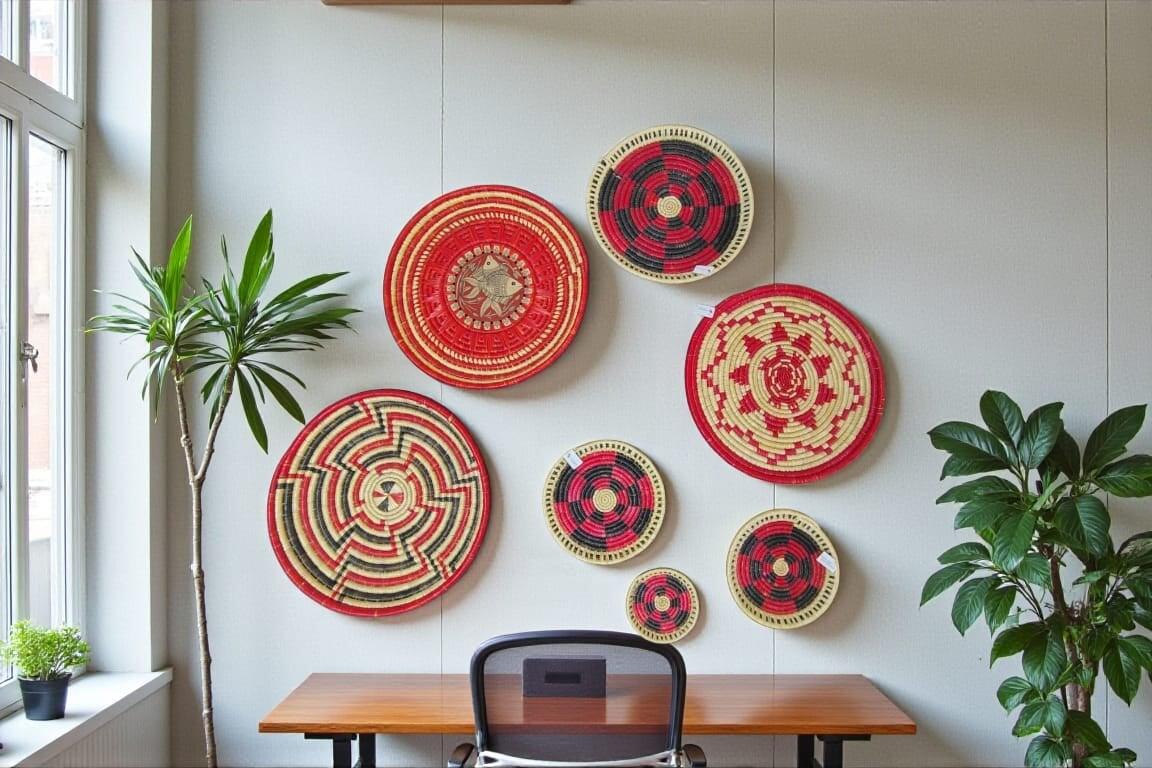
Walk through any craft fair in India and you’ll notice something striking. A handwoven basket, an embroidered cushion—people pause, admire the work, maybe ask how long it took to make, and then move on. Rarely do we stop to think about the person behind the craft or the journey that product has taken before reaching our hands.
The truth is that every handmade product has travelled much farther than we imagine. Long before it finds a place in someone’s home, it begins in a village—often in the corner of a small house where a craft has been practised for generations. These are skills not learnt from manuals or machines, but passed down through observation, patience, and years of practice. For many artisans, especially in rural India, creating beautiful work has never been the challenge. Finding people willing to buy it has.
India’s handicrafts sector supports more than seven million artisans, according to the Development Commissioner (Handicrafts), Ministry of Textiles. Despite being one of the country’s largest sources of rural employment, artisans have traditionally relied on local markets, exhibitions, or middlemen to sell their work—often receiving only a fraction of its value.
Things are changing, though—not because the crafts themselves have changed, but because the way people discover them has. Platforms that connect artisans directly with buyers are dismantling barriers that once seemed insurmountable. Indie Haat shows how e-commerce is helping rural crafting communities reach customers far beyond their regions, while Yazati highlights how Indian handmade products are increasingly finding appreciation in international markets. A basket woven in a small village can now become part of a home halfway across the world.
But there’s another reason this shift matters. Consumers are beginning to care about the story behind what they buy. They want to know who made it, where it came from, and whether their purchase supports something meaningful. Buying handmade is becoming less about owning an object and more about valuing the person who created it.
At CraftsAQ, this idea is woven into every initiative. Through artisan incubation, skill development, and sustainable livelihood programmes, women are given the opportunity to transform traditional skills into sustainable incomes. The crafts remain rooted in heritage, but the opportunities around them continue to grow. Every handcrafted product carries not just creativity, but confidence, dignity, and the hope of a more secure future.
Perhaps that is the real journey of Indian craftsmanship. It isn’t simply about moving products from villages to global markets. It’s about ensuring that the people behind those products are seen, recognised, and fairly rewarded. When conscious consumers choose handmade, they become part of that journey too—one purchase, one artisan, and one story at a time.
References
- Development Commissioner (Handicrafts), Ministry of Textiles, Government of India. Handicrafts Sector Overview.
- Yazati. The Journey of Indian Craftsmanship: How Local Artisans Conquered Global Markets (2025 Guide).
- Netyex. From Village to Global: The Journey of Indian Handicrafts.
- Indie Haat. How Crafting Communities in India Are Leveraging E-Commerce for Global Reach.
- UNESCO. Convention for the Safeguarding of the Intangible Cultural Heritage.
This blog is contributed by Aanavi Anand, a student of lady Shri Ram College for Women